Introduction: The Architectural Evolution of Bouldin Creek
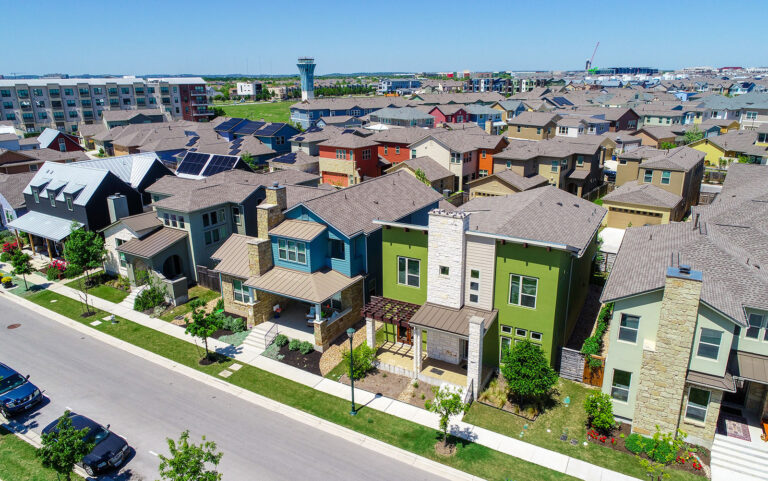
Bouldin Creek has become one of Austin’s most architecturally intriguing neighborhoods, offering a rare blend of historic charm and cutting-edge modern design. Although the area was once known primarily for its early bungalows and modest cottages, today it showcases an impressive range of styles—from preserved 1920s homes to sleek new builds that push the boundaries of residential architecture. Because bouldin creek real estate naturally attracts artists, designers, and forward-thinking homeowners, the neighborhood has evolved into a living gallery of Austin’s architectural creativity. This mix of old and new makes Bouldin Creek a true architecture playground and one of the city’s most compelling places to explore.
Table of Contents
- Introduction: The Architectural Evolution of Bouldin Creek
- The Early Era: 1920s–1940s Bungalows
- Post-War Cottages and Austin’s Growth
- Mid-Century Influences in Bouldin Creek
- The Modern Wave: Bold Architecture Takes Over
- ADUs, Duplexes, and Creative Lot Use
- How Bouldin Creek Real Estate Stands Apart
- What Buyers Should Look For
- Conclusion & Next Steps
The Early Era: 1920s–1940s Bungalows
The earliest homes in Bouldin Creek reflect simple craftsmanship and traditional Austin living. Built during the 1920s through the 1940s, these bungalows typically feature wood siding, gabled roofs, deep porches, and compact, functional floor plans. Although modest, they were designed with intentionality, providing natural airflow, shade, and efficiency long before modern insulation or HVAC existed.
Many of these bungalows have been carefully preserved, giving buyers access to authentic Austin history. Their presence adds warmth and familiarity to Bouldin’s winding streets, and because they sit on mature lots, they remain desirable options for those looking for character homes. To see similar styles across Austin, you can explore available listings through the Austin Homes Austin TX page.
Post-War Cottages and Austin’s Growth
Following World War II, Austin expanded rapidly, and Bouldin Creek absorbed much of that growth. The neighborhood soon filled with post-war cottages—affordable, efficient homes built quickly to meet demand. Although these houses were small, they were well-constructed and often included larger yards, detached garages, or screened porches. Consequently, they became ideal candidates for renovation or expansion.
Today, many of these cottages have been upgraded with modern kitchens, open layouts, and energy-efficient components. Yet they retain the simplicity and charm that originally defined the neighborhood. Buyers exploring bouldin creek real estate often appreciate these homes because they strike a balance between history and flexibility. Many serve as the foundation for modern additions, ADUs, or complete architectural transformations.
Mid-Century Influences in Bouldin Creek
Although Bouldin Creek is not a pure mid-century neighborhood, the architectural influence still appears throughout the area. During the 1950s and 1960s, a handful of ranch-style and mid-century inspired homes emerged, featuring longer rooflines, picture windows, and clean geometric shapes.
These homes tend to sit on quiet residential pockets and are often renovated to highlight natural light, open spaces, and indoor-outdoor flow. Their presence adds variety and contrast to Bouldin Creek’s eclectic streetscape, making the area feel more layered and visually interesting. When these homes hit the market, they are coveted for their blend of vintage appeal and adaptable layouts.
The Modern Wave: Bold Architecture Takes Over
Around the early 2000s, Bouldin Creek experienced a dramatic architectural shift. As Austin grew, demand for central living surged, and architects began pushing creative boundaries in the neighborhood. Modern builds quickly became a defining feature, showcasing flat roofs, expansive glass walls, minimalist façades, and innovative materials.
These homes often stand in striking contrast to the older bungalows, yet the variety enhances the neighborhood’s identity. Because the lots are irregular and topography varies, no two modern builds look alike. Some incorporate steel and concrete; others emphasize organic materials like cedar, limestone, or reclaimed wood. Many include second-story decks with skyline views—one of the most sought-after features in bouldin creek real estate.
After touring homes, many residents stop at nearby favorites like Elizabeth Street Café for coffee or French-Vietnamese pastries, adding to Bouldin’s creative energy.
ADUs, Duplexes, and Creative Lot Use
Because Bouldin Creek lots vary widely in size and shape, the neighborhood has become a center of innovative land use. Accessory dwelling units (ADUs), duplexes, and condo-regime developments appear on nearly every block. These structures reflect Austin’s evolving approach to density while preserving neighborhood charm.
ADUs in particular offer buyers and investors flexibility—whether for rental income, guest space, or multigenerational living. Duplex conversions also give residents more affordable entry points into a high-demand area. Additionally, architects frequently experiment with vertical living, rooftop spaces, and minimal-footprint structures, all of which support Bouldin’s creative appeal.
To browse a curated selection of listings citywide, you can explore the Austin Home Search page for up-to-date opportunities.
How Bouldin Creek Real Estate Stands Apart
Bouldin Creek differs from other Austin neighborhoods because of its unusual architectural diversity. Side by side, you may find a century-old bungalow, a post-war cottage, and a striking modern home made of glass and steel. This unique mixture draws buyers who value creativity, individuality, and a strong neighborhood identity.
Furthermore, Bouldin Creek is anchored by culture. Restaurants like Terry Black’s BBQ and cafés such as Bouldin Creek Café give the neighborhood personality, making everyday life here engaging and memorable. Because of this vibrant environment, bouldin creek real estate continues appreciating as more buyers seek authenticity rather than uniformity.
For related stories, neighborhood updates, or architecture inspiration, you can explore the main blog hub at Al Cairns Realty Blog.
What Buyers Should Look For
Bouldin Creek buyers benefit from understanding the neighborhood’s architectural eras so they know what aligns with their goals. For example:
- Historic bungalow lovers should verify foundation quality, wood integrity, and preservation restrictions.
- Mid-century enthusiasts may seek original windows, vaulted ceilings, or clerestory lighting.
- Modern-home seekers should review energy systems, window performance, and rooftop structural design.
- Investors should focus on ADU potential, duplex-ready lots, or existing rental configurations.
Because each property type has different strengths, working with a local expert ensures you’re evaluating homes with the right context. To discuss next steps or schedule a tour, you may reach out anytime through the Contact Me page.
Conclusion & Next Steps
From early bungalows to dramatic modern builds, Bouldin Creek represents the full spectrum of Austin architecture. Its eclectic mix of home styles gives buyers rare creative freedom and a living environment filled with personality. Whether you’re exploring historic charm, mid-century lines, or forward-thinking modern design, this neighborhood offers something unlike anywhere else in the city. Because bouldin creek real estate continues evolving, now is an excellent time to learn the options, tour available homes, and discover which style fits your lifestyle. With the right guidance, Bouldin Creek can become an inspiring place to call home.