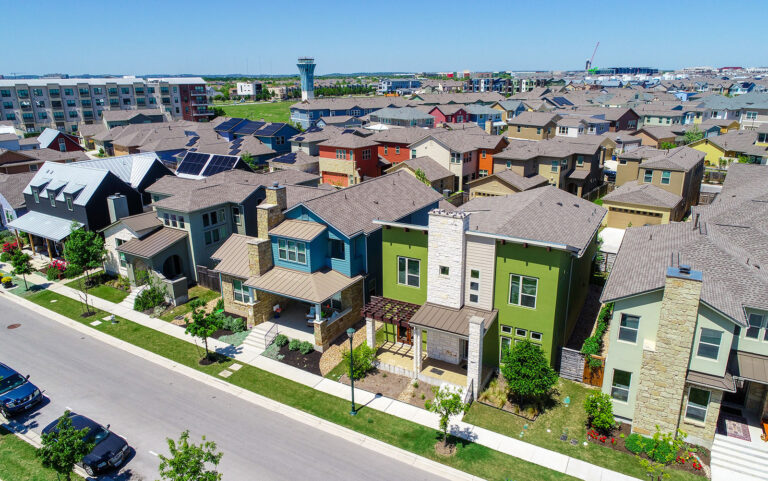
Nestled just west of downtown Austin, Texas, Tarrytown is a neighborhood celebrated for its blend of historic elegance and modern sophistication. With tree-lined streets, meticulously preserved architecture, and a rich history dating back to the early 1900s, Tarrytown has become one of Austin’s most sought-after residential areas. This charming enclave offers a unique glimpse into architectural styles and historic homes that have stood the test of time, making it a favorite for history buffs, architecture enthusiasts, and discerning homebuyers alike.
In this guide, we’ll explore the distinctive architectural styles found in Tarrytown, the history behind the neighborhood’s iconic homes, and essential architectural features that define this beloved Austin community.
A Brief History of Tarrytown
Tarrytown’s roots trace back to 1915 when developers sought to create a peaceful suburban retreat just minutes from downtown Austin. Originally farmland, the area quickly became popular among affluent residents looking for spacious lots and quiet, tree-shaded streets. Over the decades, Tarrytown evolved into a neighborhood renowned for its historic homes, community-focused lifestyle, and proximity to the city’s vibrant downtown area.
Iconic Architectural Styles in Tarrytown
Tarrytown features several prominent architectural styles, each reflecting a unique period and architectural movement. Below are some of the most notable styles found in the neighborhood:
1. Colonial Revival
Colonial Revival homes emerged in popularity in the early 20th century, paying homage to America’s colonial past. These homes typically showcase symmetrical façades, gable roofs, and ornate entryways featuring pediments, columns, and transom windows. Interiors often boast detailed woodwork, grand staircases, and spacious rooms, reflecting traditional elegance and formality.
2. Tudor Revival
Inspired by medieval English architecture, Tudor Revival homes became fashionable in Tarrytown during the 1920s and 1930s. They are recognizable by their steeply pitched roofs, prominent cross-gables, decorative half-timbering, tall narrow windows, and brick or stone exteriors. This style evokes romantic and picturesque imagery reminiscent of European cottages.
3. Craftsman Bungalows
Popularized by the Arts and Crafts movement of the early 1900s, Craftsman-style bungalows emphasize handcrafted details and natural materials. Characteristic features include low-pitched roofs, wide overhanging eaves with exposed rafters, spacious front porches supported by tapered columns, and extensive built-in cabinetry. These homes highlight functional beauty and artisanal craftsmanship.
4. Mid-Century Modern
Emerging post-World War II, Mid-Century Modern architecture celebrates simplicity, functionality, and harmony with nature. Homes in this style feature clean lines, expansive windows, open floor plans, and innovative use of materials such as steel and glass. They integrate seamlessly with their surroundings, allowing abundant natural light and connecting indoor and outdoor spaces.
Notable Historic Buildings in Tarrytown
Elisabet Ney Museum
Though technically adjacent to Tarrytown, the Elisabet Ney Museum holds significant historical value for the area. Built in 1892, the limestone building known as “Formosa” served as the studio of renowned German sculptor Elisabet Ney. The building is an excellent example of Classical Revival architecture, featuring balanced proportions and elegant simplicity. It is currently undergoing restoration to preserve its historical integrity.
Mayfield-Gutsch Estate
Dating to the 1870s, the Mayfield-Gutsch Estate includes a historic cottage and botanical gardens. The cottage exemplifies vernacular architecture with its straightforward, practical design. The surrounding gardens, stone walls, and walking paths offer a picturesque glimpse into the rural heritage of Austin before urbanization transformed the landscape.
Architectural Elements: Origins and Features
Understanding key architectural elements helps residents and homebuyers appreciate the rich historical tapestry of Tarrytown‘s homes. Here’s a look at some common architectural features and their historical origins:
Symmetry and Proportion
Colonial Revival homes prominently feature symmetry and proportion, inspired by classical Greek and Roman architecture. Symmetrical windows, balanced facades, and centrally located entryways provide visual harmony, conveying stability and order.
Decorative Half-Timbering
Characteristic of Tudor Revival homes, decorative half-timbering originates from medieval English construction methods. While traditionally structural, in revival architecture, the exposed wooden beams serve as ornamental features, creating a striking visual contrast against stucco or masonry exteriors.
Exposed Rafters and Wide Eaves
Craftsman bungalows are known for exposed rafters and wide, overhanging eaves. These features stem from the Arts and Crafts movement, which emphasized structural honesty and highlighted the beauty of handcrafted construction. Visible structural elements celebrate artisanal quality and craftsmanship.
Large Picture Windows
Mid-Century Modern homes often include large picture windows designed to merge indoor and outdoor environments. Originating in the post-war era, these windows emphasize natural light, scenic views, and minimalist aesthetics, reflecting a modern, open lifestyle.
Historic Preservation and Community Initiatives
Tarrytown residents have consistently prioritized preserving the neighborhood’s architectural integrity while accommodating modern living. Several efforts demonstrate the community’s commitment:
Historic District Designation
Parts of Tarrytown have pursued historic district designation to safeguard architectural character and maintain the neighborhood’s charm. This initiative helps ensure any new developments or renovations respect the established historical styles and community standards.
Adaptive Reuse and Renovation
Many homeowners and developers in Tarrytown actively pursue adaptive reuse of historic structures, converting older buildings into contemporary residences or community spaces. This practice maintains historical integrity while updating properties to meet current needs and standards.
Finding a Home in Tarrytown
While Tarrytown is known for luxury homes and affluent residents, flexible options exist for those interested in the historic appeal of the area. Here are tips for finding great opportunities in Tarrytown:
- Consider Renovation Opportunities: Homes requiring renovation offer entry into the neighborhood at potentially lower price points. Look for structurally sound properties needing cosmetic updates.
- Work with Local Experts: Engaging with realtors who specialize in Tarrytown can provide access to off-market listings and homes not publicly advertised.
- Explore Different Home Types: Smaller bungalows, townhomes, or condos may offer more affordable yet still charming entry points into this historic neighborhood.
Why Tarrytown is an Excellent Investment
Investing in a Tarrytown property is a prudent choice due to the neighborhood’s sustained desirability, historical significance, and proximity to downtown Austin. Historic homes often appreciate well, and the neighborhood’s careful preservation and controlled development protect property values.
Conclusion
Tarrytown stands as one of Austin’s premier historic neighborhoods, cherished for its diverse architectural styles, carefully preserved historic homes, and vibrant community spirit. Whether drawn to the romantic charm of Tudor homes, the timeless elegance of Colonial Revival structures, the artisanal appeal of Craftsman bungalows, or the minimalist beauty of Mid-Century Modern architecture, Tarrytown offers a distinctive living experience steeped in history.
By appreciating its architectural heritage, understanding the historical significance of its homes, and leveraging flexible buying strategies, prospective residents can successfully navigate Tarrytown’s real estate market. Ultimately, choosing a home in Tarrytown means investing in a piece of Austin’s rich history and embracing a unique, community-oriented lifestyle.